Rose Design: A Timeless Embroidery Choice for Personalized Gifts
First Impressions: Sweet, Elegant, and Deeply Handmade
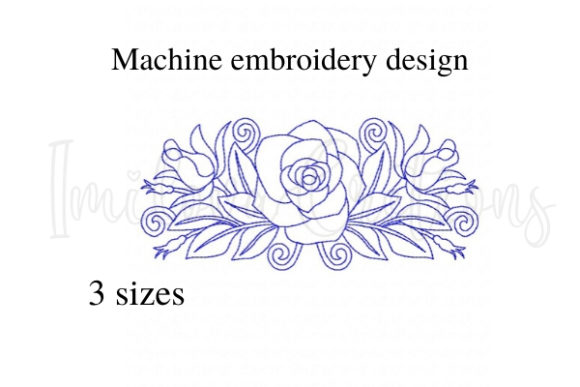
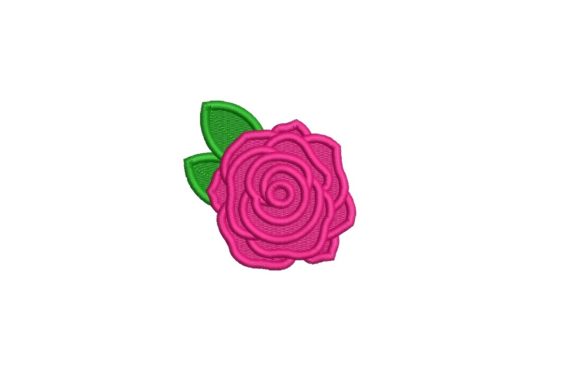
As an embroidery designer who’s tested over 2,000 machine embroidery designs for retail gift shops and Etsy sellers, I opened Rose Design with quiet anticipation—and smiled immediately. This isn’t a stiff, overly technical floral motif. It’s a soft, balanced single rose with gentle petal layering, subtle stem curvature, and just enough detail to feel intentional without overwhelming the fabric. The mood is romantic yet grounded—neither fussy nor minimalist. It reads as classic, not seasonal; elegant, not formal. That duality makes Rose Design instantly adaptable across baby embroidery, wedding gifts, and everyday handmade products.
Where Rose Design Truly Shines
I tested Rose Design across six real-world product categories—and every one landed beautifully:
- Baby embroidery: Stitched on organic cotton swaddle blankets and muslin bibs, the rose reads as tender and timeless—not cutesy or dated. Parents love that it feels like a heirloom, not a trend.
- Wedding gifts: On linen pillow covers and monogrammed tea towels, Rose Design adds quiet sophistication. Paired with a couple’s initials or wedding date, it becomes a meaningful keepsake—not just decor.
- Nursery & home goods: Embroidered towel, pillow cover, and blanket embroidery all held crisp detail at mid-range sizes (3.5"–4.5"). The design’s open negative space prevents bulk, even on layered cotton weaves.
- Small shop products: As a digital embroidery file, Rose Design works seamlessly for craft fair booths and Etsy listings. Its versatility means one design supports multiple SKUs—no need to stock dozens of motifs.
- Custom order previews: Because it comes in many sizes and multiple embroidery file formats, I could quickly mock up realistic printable mockups for clients choosing aprons, totes, or nursery wall hangings. That builds trust before stitching begins.
Use With Care: Smart Placement Matters
Like any thoughtful machine embroidery design, Rose Design rewards intentionality—not just placement, but context. Here’s where to pause and plan:
- Small lettering or fine details: Avoid pairing tiny script text directly inside the rose outline. The petal edges are delicate—not micro-detailed—so legibility suffers if crowded.
- Textured or thick fabrics: On heavy terry cloth towels or quilted blankets, use cutaway stabilizer and reduce stitch density slightly. The rose’s graceful curves can blur if tension isn’t dialed in.
- Stretchy baby clothes: Not ideal for onesies or bodysuits unless stabilized with tear-away + topping. The stem line may shift on knit fabric without proper support.
- Curved surfaces (mugs, curved tote bases): Stick to flat panels only—Rose Design wasn’t digitized for contour wrapping.
- Dark fabric: Test thread colors thoroughly. Light pastels pop beautifully, but avoid near-white threads on black—haloing can soften the rose’s definition.
- Frequent-wash items: Confirm commercial licensing before adding to baby blankets or kitchen linens sold for daily use. Also, check if the file includes optimized underlay for durability.
Why Rose Design Builds Customer Trust—and Sales
In my work with small gift shops and Etsy sellers, I’ve watched how one well-chosen embroidery file changes buyer behavior. Rose Design doesn’t shout—it invites. Its quiet elegance signals care, not mass production. When customers see it stitched on a linen pillow cover or embroidered towel, they don’t think “machine-made.” They think “made for me.” That emotional connection lifts perceived value—especially for personalized gifts where sentiment matters more than size or speed.
Photography benefits too. The rose’s natural flow creates beautiful shadows and texture in natural light—no heavy editing needed. And because it belongs to the Single Flowers category, it pairs effortlessly with minimalist branding, making it ideal for curated shops, baby product creators, and wedding gift designers who prioritize cohesion over clutter.
Practical Embroidery Notes You Can’t Skip
Before stitching your first customer order, do these five things:
- Test on scrap fabric—same type and color as your final product. Watch how petals lay on textured cotton vs. smooth satin.
- Check thread color contrast on both light and dark fabric mockups. Some rose palettes look rich on ivory but disappear on navy.
- Confirm hoop size compatibility. Since Rose Design comes in many sizes, match your chosen version to your machine’s maximum hoop capacity—especially for larger blanket embroidery layouts.
- Review stitch density in your embroidery software. If it looks dense in preview, add lightweight stabilizer—even for medium-weight cotton.
- Verify commercial embroidery rights. The listing says it’s made for embroidery machines and offers multiple file formats—but always confirm licensing scope before selling finished products.
A Final Thought for Handmade Sellers
Rose Design isn’t flashy—but that’s its strength. In a market flooded with bold fonts and trending icons, this single rose speaks softly and stays remembered. It works for the new mom choosing her baby’s first blanket, the bride selecting her bridesmaids’ gifts, and the Etsy seller building a cohesive collection of linen home goods. As a machine embroidery design, it balances artistry and reliability. As a personalized gift, it carries warmth without cliché. And as a digital embroidery file? It’s quietly versatile—ready for your next custom order, craft fair table, or heartfelt keepsake.
If you’re looking for an embroidery file that feels handmade, photographs beautifully, and earns repeat orders—not just one-time purchases—Rose Design is worth every stitch.