Heart and Wild Rose Embroidery: Perfect for Personalized Gifts
As someone who stitches custom keepsakes daily for an Etsy shop and local craft fairs, I tested the Heart and Wild Rose machine embroidery design on a range of gift blanks. This digital embroidery file from Digital Creation Art Studio immediately sparked creative energy. The design falls under their Outline Flowers category, which means it leans into graceful linework rather than heavy fill stitching—a quality I always appreciate for products that need to feel light, timeless, and gift-ready. With 5 sizes available and true hand-digitized craftsmanship, it’s a flexible starting point for many personalized gift ideas, but there are important nuances every maker should understand before listing a finished product.
A Romantic First Impression That Sets the Mood
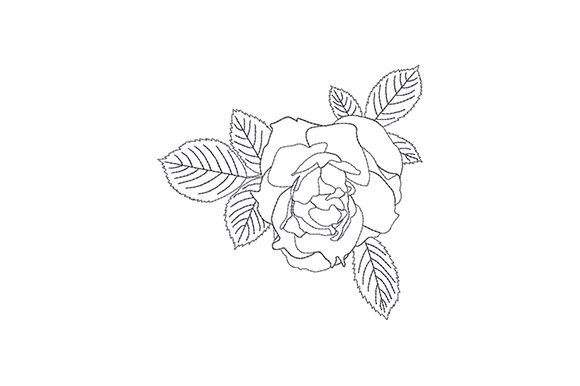
Right away, the Heart and Wild Rose embroidery file gave me that soft, heartfelt feeling I want in a customer’s unboxing moment. The heart shape is open and airy, not chunky, while the wild rose blooms with just enough organic detail to feel hand-drawn. The mood is equally at home on a vintage-style pillow cover as it is on a modern baby blanket. I’d describe the emotional appeal as sweet, slightly whimsical, and elegantly simple. Because the design relies on outlines, thread colors become a powerful storytelling tool. A dusty pink rose on cream fabric whispers romance for a wedding gift; a deep berry or soft lavender on oatmeal linen leans toward rustic chic. When I displayed a test stitch-out to a fellow maker, her immediate reaction was, “That would sell itself at a baby shower.” That’s exactly the kind of organic trust a design like this builds into your product line.
Where Heart and Wild Rose Truly Shines
The outline nature of Heart and Wild Rose makes it versatile, but not universally forgiving. I tested it on several surfaces to map out where it performs best for personalized gifts. Smooth, stable fabrics let the hand-digitized curves sing. Here are the products that felt most natural during my trial stitching:
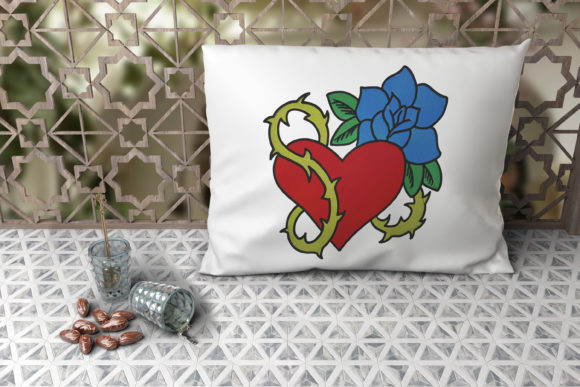
- Pillow covers: The heart motif becomes a focal point, especially when paired with a name or date beneath. It stitched cleanly on cotton and linen blends.
- Blanket embroidery: For baby shower gifts or family keepsakes, the design scaled beautifully on a soft receiving blanket, creating a subtle heirloom detail without overwhelming the fabric.
- Embroidered towels: On flat-weave kitchen towels, the outline held crisp definition. I advise steering clear of plush, looped terry cloth unless you modify your settings, but more on that later.
- Tote bags and aprons: These sturdy surfaces gave the design a charming, artisan-booth feel—ideal for gift shop owners who sell in person.
- Custom order previews: Because the design reads so well in a printable mockup, it’s excellent for Etsy listing photos. The romantic linework shows clearly even in digital form, improving buyer engagement before they click “add to cart.”
Personalized Gift Applications That Buyers Crave
During my test runs, I kept returning to the question every small shop owner asks: Who will buy this, and why? The Heart and Wild Rose embroidery design naturally aligns with high-emotion gifting moments. It’s not a generic symbol; it carries enough botanical detail to feel intentional and personal. Here are the applications I’d confidently use in product listings tomorrow:
- Baby embroidery: A delicate version on a nursery pillow or swaddle blanket creates an immediate heirloom feel. The outline won’t irritate sensitive skin if placed on the corner of a blanket rather than against the baby’s face.
- Wedding gifts: I stitched a sample on a ring bearer pillow and a handkerchief. The heart and rose combined with a subtle thread shade like silk ivory made the gift feel both custom and classic.
- Family keepsakes: Adding initial letters or a small date next to the rose transforms a simple piece into a generational memory. I’m already planning to use it for anniversary blanket orders.
- Personalized towels: A crisp single-color stitch on a guest towel set becomes a thoughtful newlywed or housewarming present. The design is dainty enough to feel high-end without screaming mass production.
- Nursery decor: Hooped wall art or framed embroidery using this design can fill a gap in baby product creator shops looking for soft, gender-neutral themes.
For Etsy sellers and craft fair vendors, the Heart and Wild Rose design also invites upselling. A customer who loves the blanket might add a matching tote bag or apron, giving you natural bundle opportunities.
Navigating Tricky Surfaces and Delicate Details
An outline design requires honest conversation about where it should be used carefully. In my sample stitching, I found several scenarios that demand extra preparation or, in some cases, avoidance.
Small Lettering and Size Sensitivity
If you plan to add a name or short phrase beside Heart and Wild Rose, test your lettering font at the same scale. The rose’s fine petals can lose clarity if you shrink the file too aggressively. Even though the design comes in 5 sizes, check the smallest option against your intended text to ensure both remain legible.
Textured and Thick Fabrics
Terry cloth towels and heavy knits challenged the outline definition. Loops pushed the stitch into the fabric, blurring the rose’s delicate shape. A water-soluble topper helped, but I still recommend this design primarily for flat-weave towels, linen, or quilt cotton.
Stretchy Baby Clothes
On stretchy onesies, the outline can distort if the stabilizer isn’t sturdy. I used a cut-away stabilizer with a temporary spray adhesive and floated a second layer beneath. This preserved the heart shape during wear, but the result still required mindful placement away from high-stretch areas like necklines.
Dark Fabric and Thread Contrast
Dark backgrounds mask fine outlines. I stitched a navy tote with a soft gold thread, and while it looked elegant, the stitch density needed slight adjustment to pop. Always run a test on your exact fabric-and-thread combination before committing to a customer order.
Frequent Washing Worries
Products like kitchen towels or baby items that face repeated laundering demand a tight stitch and secure stabilizer remnant removal. I recommend a polyester or cotton-wrapped polyester thread for longevity, and I always include care instructions with my finished products to manage buyer expectations.
Practical Embroidery Tips from My Test Run
Before you load Heart and Wild Rose onto your machine, a little upfront effort saves hours of unpicking. These are the exact steps I followed, and I’ll be using them for client orders moving forward:
- Scrap fabric test: I first stitched the design on a scrap of the same fabric I planned for the final product. This exposed any tension issues or thread breaks without ruining a blank.
- Check thread color contrast: I sampled three rose colors on both cream and oatmeal fabric. A muted tone that looked perfect in digital mockup nearly disappeared on natural linen. A shade darker fixed it.
- Confirm hoop size: The product page doesn’t list exact hoop requirements per size, but I measured my stitch area before hooping. Open the file in your software and verify the dimensions so you never face an unpleasant mid-stitch surprise.
- Review stitch density: Because the design is digitized by hand, the density felt balanced on stable wovens. On a knit, I slightly increased my machine’s density setting after visually checking the first run. Always trust the fabric feel over assumptions.
- Proper stabilizer choice: For flat wovens, a medium-weight tear-away sufficed. For any knit or stretchy item, I switched to a fusible cut-away. For towels, I added a topping to prevent stitches sinking.
- Light and dark mockup comparison: I saved two photographs—one on cream, one on heather gray—to show customers how the design adapts. This reduced back-and-forth questions and built trust.
- Post-stitch detail check: Using a magnifying light, I examined the wild rose petals for any loose threads or skipped stitches. A tiny trim or a single hand-stitch correction on a test sample can prevent a rejected order.
- Commercial licensing check: Before selling any finished item, I contacted Digital Creation Art Studio to clarify their commercial embroidery policy. Always verify whether the digital embroidery file includes rights for physical product sales, especially for personalized gift shops.
How This Design Elevates Giftability and Perceived Value
In the handmade product space, emotional connection drives sales. The Heart and Wild Rose embroidery file gives you a shortcut to that connection. When I placed a stitched pillow cover beside a plain version, the embroidered piece felt like a curated boutique find. Customers perceive the detail as labor-intensive and skilled, which raises their willingness to pay a premium. This giftability factor matters enormously for Etsy sellers and craft fair vendors who compete on perceived value, not just price.
Product photography benefits, too. Because the outline design photographs sharply, my listing images needed minimal editing. I shot flat lays in natural window light, and the fine stitches cast subtle shadows that highlighted the hand-digitized quality. In listing descriptions, I can honestly write “hand-digitized design” which resonates with buyers seeking artisan authenticity. The design’s romantic character also pairs beautifully with packaging: a simple kraft wrapping and dried lavender sprig turned a stitched tote bag into a ready-to-gift set.
Customer trust grows when a finished product looks consistent. Because Heart and Wild Rose is consistent in its stitch path, I can replicate the same quality across multiple orders without worrying about batch inconsistency—crucial for small shops that rely on repeat buyers and five-star reviews.
A Designer’s Final Honest Take
After several test runs and product mockups, I consider Heart and Wild Rose a strong addition to any personalized gift embroidery library. It’s not a one-size-fits-all miracle: you need to select the right fabric, choose thread colors thoughtfully, and prepare stabilizer with care. But when you match it to the right product—a baby blanket, a linen pillow cover, a wedding handkerchief—the result feels handmade in the most meaningful way. For crafters, baby product creators, wedding gift designers, and small shop owners who value delicate outline beauty over heavy fill, this machine embroidery design delivers both charm and commercial potential.
I’m already planning my next test: a monogrammed version on a quilted throw for a family reunion order. That’s the beauty of a well-digitized design—it grows with your creativity and keeps your product lineup feeling fresh, season after season.