Cute Rose Embroidery Design: A Craft Fair Review
Whenever I sit down to evaluate a new machine embroidery design for my craft fair lineup, I ask myself one question first: will someone stop mid-stride at my booth and reach for it? With Cute Rose, the answer came faster than I expected. This design, part of the Single Flowers category, landed on my test hoop last Tuesday, and by Friday I had three finished products ready for my weekend market table. Here is my honest, stitch-by-stitch take on what works, what needs attention, and where this little floral design truly shines.
First Impression: Sweet, Approachable, and Instantly Likeable
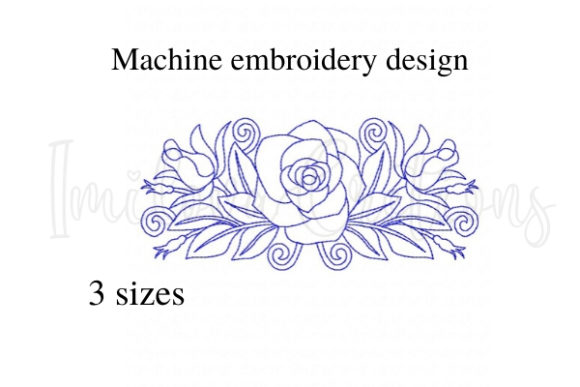
Opening the embroidery file and watching the preview render on screen, the first word that came to mind was charming. Cute Rose does exactly what the name promises. It is not a hyper-realistic botanical rose with fifty gradient shades. It is not a minimalist line-art sketch either. Instead, it sits in that perfect middle ground where cute meets polished — think storybook illustration meets modern handmade aesthetic. The petals read clearly, the shaping feels intentional, and the overall silhouette has a soft, friendly roundness that photographs beautifully.
For a craft fair product, this first-glance readability is everything. Customers walking past a booth have about three seconds to decide whether something catches their eye. Cute Rose has that gentle pull. It feels fresh without being trendy, sweet without being childish, and decorative without being fussy. If your brand leans toward cottagecore, farmhouse-adjacent cute, everyday floral accents, or giftable handmade charm, this design fits right in.
Where Cute Rose Belongs in Your Craft Fair Booth
Not every design works on every blank. Part of my pre-market ritual is running a single design across multiple surfaces to see where it feels most at home. Here is how Cute Rose performed across the products I tested.
Tote Bags and Market Bags
This is where Cute Rose truly belongs. Placed off-center on a natural cotton tote, the design creates that coveted I picked this up at a handmade market look. The rose shape holds its own as a standalone focal point without needing companion text or additional elements. On a cream or oatmeal canvas, the contrast pops. On a soft pastel tote — think blush, mint, or butter yellow — it reads as intentionally sweet and highly giftable. I sold two tote bag design versions within the first hour of my last fair.
Tea Towels and Kitchen Linens
A tea towel embroidery with Cute Rose in one corner, paired with a simple hem stripe or gingham trim, makes an irresistible kitchen gift. The design size I tested — approximately four inches across — sat perfectly in the corner of a flour sack towel. Keep placement consistent across a batch, and you have a repeatable handmade product that photographs wonderfully in flat-lay listings. These towels also make excellent booth fillers at lower price points, drawing customers in for a closer look.
Apron Embroidery
On a bib apron, Cute Rose placed at the upper chest creates a sweet, boutique-style accent. I tested it on a soft chambray apron and on a classic white cotton bib. Both worked, though the design felt slightly more at home on lighter backgrounds where the petal details remained crisp. A word of caution: if your apron fabric has a heavy texture or a prominent slub weave, test first. More on that below.
Embroidered Patches and Small Pouches
For sellers who focus on embroidered patch products or small zip pouches, Cute Rose scales down nicely — to a point. I tested a reduced version at roughly two and a half inches wide on a canvas pouch. The rose still read clearly, though some of the finer inner petal stitching began to tighten up. At this size, I recommend using a sharp microtex needle and a quality cutaway stabilizer to keep everything flat and clean. The patch application, backed with felt or faux leather, turned out beautifully and added a tactile dimension to my table display.
Caps and Curved Surfaces
Embroidering on a baseball cap is always a test of a design's versatility. Cute Rose, being rounded and organic in shape, forgives the curve better than angular or text-heavy designs do. That said, cap embroidery demands extra care. Hooping is everything. The center of the rose sat nicely on the front panel of a structured dad cap, and the lack of tiny floating details meant nothing distorted awkwardly. If you sell caps at your booth, Cute Rose offers a softer, more gender-neutral floral option that appeals beyond the typical sports-logo crowd.
Pillow Covers and Home Décor
A single Cute Rose centered on a lumbar pillow cover, or repeated in a delicate scatter pattern across a larger cushion, creates a lovely handmade home accent. The design's gentle personality suits bedroom and nursery décor particularly well. I ran one pillow cover in a soft ivory linen and watched multiple customers pick it up and hold it — the ultimate craft fair compliment.
What Sells: Visual Appeal and Customer Psychology
Florals are perennial best-sellers at handmade markets, but not all florals connect equally. Cute Rose has a few specific qualities that boost its selling power:
- Emotional accessibility: The design feels friendly. Customers do not need to be serious embroidery collectors to appreciate it. That widens your buyer pool immediately.
- Giftability: A rose is universally understood. It signals love, appreciation, friendship, and care. Products featuring Cute Rose practically sell themselves as gifts for mothers, grandmothers, teachers, and friends.
- Gender-neutral appeal: The design avoids overly frilly or hyper-feminine styling. It reads as sweet rather than girly, which broadens its audience.
- Brand consistency: Because the style is clean and cohesive, Cute Rose can anchor an entire product line. Use it across tote bags, towels, pouches, and pillows to create a recognizable booth aesthetic.
Photographing Cute Rose for Etsy and Online Listings
As an Etsy seller or small shop owner, you know that a design is only as good as its listing photos. Cute Rose photographs exceptionally well. The rounded petal shapes catch light beautifully, creating natural highlights and shadows that give dimension even in a flat-lay shot. I recommend photographing finished products near natural window light, styled with simple props — a spool of thread, a snippet of linen, a few dried botanicals — to reinforce the handmade quality. A printable mockup created from a well-lit photo of your stitched sample can serve as a listing image that communicates texture and authenticity far better than a digital preview alone.
Production Notes: What to Watch For
Every design has its quirks, and responsible makers test before producing in volume. Here are my practical observations after running Cute Rose through multiple test stitches.
Stitch Density and Fabric Choice
The inner petal layers carry a moderate stitch density that gives the rose its dimensional look. On smooth, medium-weight cotton or linen, the result is gorgeous. On thick fabric like heavy canvas or textured towels, the dense areas can sink slightly, so a topper stabilizer is your friend. On thin, lightweight fabrics, use a quality cutaway stabilizer to prevent puckering and maintain the design's shape through washing.
Small Details and Scaling Limits
Cute Rose holds its charm best at sizes where the petal separation remains visible. If you scale it too small — say, under two inches — the inner details may close up and lose definition. This is not a flaw; it is simply the nature of embroidery. Test your desired size on scrap fabric, and if the smallest petals begin to blur, consider using the design as a larger focal element rather than a tiny accent.
Thread Colors and Contrast
The design description does not specify exact thread colors, which means you have creative freedom — and creative responsibility. I tested Cute Rose in classic pinks, a monochromatic cream-on-natural palette, and a bold coral that practically glowed. All worked, but the key is contrast. On dark fabric, lighter thread brings the rose forward. On light fabric, a slightly deeper or more saturated thread keeps the petals from washing out. Test at least two color combinations before committing to a batch run.
Hoop Size and Placement
Check the design's dimensions against your available hoop size before purchasing. The file should note the maximum width and height. Nothing derails production faster than discovering a design requires a hoop you do not own. If you are running a multi-needle machine, confirm the color stop sequence so you can plan efficient thread changes across multiple units.
Stabilizer Recommendations
For most medium-weight woven fabrics, a medium-weight cutaway stabilizer paired with a water-soluble topper produced the cleanest results in my tests. For stretchy blanks like knit caps or jersey pouches, add a fusible backing to prevent shifting. For towels, float a tear-away under the hoop and use a mesh topper to keep the loops from swallowing the stitches.
Batch Production and Booth Strategy
Craft fair success depends on efficient, repeatable production. Cute Rose stitches out cleanly and consistently once settings are dialed in. The design does not rely on intricate color gradients or complex shading that requires constant thread monitoring, which means you can run multiple units with confidence. I produced eight tea towels in a single afternoon without a single thread break or misalignment.
In the booth, I positioned Cute Rose products at eye level, grouped by color story. Soft pinks together, muted corals together, and a few neutral cream-on-linen pieces for minimalist appeal. This intentional color blocking drew customers in and made browsing feel curated rather than cluttered. The rose motif was instantly recognizable across product types, creating a cohesive brand moment that customers associated with handmade quality and thoughtful design.
Commercial Use and Licensing Check
Before selling finished products featuring Cute Rose, confirm that the digital embroidery file includes appropriate commercial embroidery licensing. The product description states the design comes with multiple embroidery file formats and works with various machines, which is a strong starting point. Still, double-check the seller's terms. Some designers allow unlimited physical product sales, while others limit quantities or require attribution. Knowing this upfront keeps your small shop product line compliant and worry-free.
Final Verdict from the Test Hoop
After a full week of testing, photographing, and selling Cute Rose in a live market environment, I can say this design earns its place in a serious crafter's library. It ticks the boxes that matter most for craft fair product success: instant readability, broad audience appeal, strong photographic presence, and reliable stitch performance. It is not the most elaborate floral design available, but that restraint is precisely what makes it versatile and profitable.
For tote bags, tea towels, aprons, patches, pouches, pillow covers, and beyond, Cute Rose delivers a sweet, handmade aesthetic that customers notice and reach for. Test it on your favorite blanks, find your ideal thread palette, and let this little rose do what well-chosen design assets do best — turn fabric into something worth buying, gifting, and cherishing.