Tulip Scribble Stitch: A Designer's Honest Review
The First Glance Stopped Me Mid-Scroll
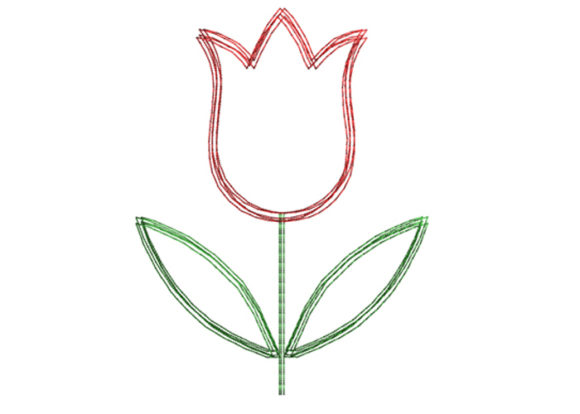
I was hunting for a fresh floral element to add to a spring product lineup when Tulip Scribble Stitch caught my eye. Most tulip designs I come across lean either too realistic or too cartoonish. This one lands in a sweet spot I did not expect. The scribble texture gives the bloom a hand-drawn energy that feels intentional and warm without looking messy. The silhouette reads immediately as a tulip, but the sketch-like fill brings a modern, almost art-journal quality to the shape. That is rare.
Right away I pictured this stitched onto a natural linen tote bag, the kind of product that does well in boutique settings and craft fairs. The design does not try to be perfect. That is exactly why it works. The irregular linework inside the petals and leaf creates movement, something a flat satin fill simply cannot deliver. If you sell products that lean into a handmade or artisan aesthetic, this design gives you that look without the labor of hand embroidery.
What the Scribble Approach Brings to Real Fabric
A lot of machine embroidery designs sacrifice personality for precision. Tulip Scribble Stitch manages both. The scribble fill reads as intentional texture rather than a shortcut, which means the finished embroidery looks considered rather than generic. When I test designs, I look for how they will actually photograph on a finished product. This one creates natural shadows and highlights simply through the stitch direction. That kind of visual depth helps products stand out in Etsy listing photos and Instagram posts where texture sells.
The design belongs to the Single Flowers category, and that makes it versatile. It can anchor a design on its own or pair with lettering, smaller floral accents, or seasonal motifs without competing for attention. The mood is cheerful but not childish, polished but not stiff. I could see this working for a bridal party tote, a Mother's Day sweatshirt, a nursery pillow cover, or even a linen apron for a home baker. The character of the sketch-like stitching gives it range.
Five Sizes Open Up More Products Than You Might Think
One thing I appreciate about this machine embroidery design is that it arrives in five sizes. That matters more than a lot of beginners realize. A single-size floral design limits you to one type of product, maybe a left-chest placement on a tee or a small patch. With five size options, I immediately started mapping out different applications. The largest size could dominate the front of a sweatshirt or the back of a denim jacket. A mid-range size would suit a tote bag or a throw pillow cover beautifully. The smaller sizes are perfect for baby onesies, hat brims, or even a set of embroidered napkins for spring gatherings.
I have not yet tested every size on every fabric, but the variety gives me confidence that I can adapt this single embroidery file across multiple product categories without needing to purchase additional complementary designs. That helps with brand consistency. A customer who buys a tulip-embroidered kitchen towel from your shop might recognize the same design on a baby blanket months later. Consistency builds recognition, and recognition builds trust.
Testing It on a Custom Tote Made Me a Believer
I ran a mid-size version of Tulip Scribble Stitch on a midweight cotton canvas tote, the kind I use for client gift orders every spring. I chose a soft coral thread for the bloom, a muted sage for the leaf, and a warm charcoal for the scribble outlines. The color chart included with the design gave me a solid starting point, but I always experiment with my own thread palette to match the season or the recipient's taste.
The stitching held up beautifully on the canvas. The scribble fill stitched out with consistent density, no puckering, and no thread breaks. I used a medium-weight cutaway stabilizer, which I recommend for any textured cotton or linen substrate. The design did not distort when I unhooped the fabric, and the edges remained crisp even through the dense scribble sections. That is not always a given with sketch-style designs. Some struggle with registration when the fill stitches pull unevenly. This one held its shape.
For a tote bag design, the visual result felt elevated. It looked like something you would find in a curated gift shop rather than a mass-produced print. That perceived value matters when you are pricing handmade products. Customers can tell when a design was chosen with care.
Where This Design Shines Brightest
After testing, I would confidently recommend Tulip Scribble Stitch for several specific use cases. It thrives on natural fiber fabrics like cotton, linen, and cotton blends. The texture of the scribble fill complements the fabric grain rather than fighting it. On smooth surfaces like twill or canvas, the stitch definition remains sharp and the design reads clearly even from a distance.
This design suits custom apparel projects exceptionally well. A sweatshirt with this tulip placed off-center on the chest feels current and wearable. For baby embroidery, the smaller sizes work on onesies, bibs, and lightweight blankets without overwhelming the garment. The whimsical quality of the scribble style feels appropriate for nursery items, and the absence of overly dense fills means the fabric stays soft against delicate skin.
I also see strong potential for holiday embroidery around Mother's Day and Easter. A simple linen pillow cover with a single tulip and a short name or date underneath becomes a heartfelt gift without requiring complex multi-hoop work. For Etsy sellers and small shops, this kind of quick yet impactful project translates into higher margins and faster turnaround times.
The design also works well as an embroidered patch when stitched onto felt or twill backing. The scribble detail holds up at smaller scales and the tulip silhouette remains recognizable even when trimmed closely around the edges.
Fabrics and Situations That Need Extra Attention
Not every fabric is a safe bet here. On highly textured surfaces like terry cloth or chunky knits, the scribble details can lose definition. The design relies on fine linework to create that hand-drawn feel, and thick pile fabrics obscure that subtlety. If you plan to stitch on a towel or a textured sweater, test a sample first and consider using a water-soluble topper to keep the stitches from sinking into the pile.
Stretchy fabric presents another challenge. The scribble fill involves enough stitch density that knit fabrics can pucker if the stabilizer is too light. I recommend a fusible mesh stabilizer on lightweight jersey and a second layer of tear-away for added support. Hoop the fabric with care and avoid stretching it during hooping. The design itself does not cause issues, but the fabric underneath needs proper preparation.
Dark fabric requires thoughtful thread choices. The scribble effect depends on contrast to read clearly. If you stitch this in a dark thread on a black sweatshirt, the texture will be felt more than seen. Light and mid-tone threads on darker backgrounds pop beautifully. Reverse that logic for light fabrics. Always do a quick thread test on scrap material before committing to the final garment.
For caps and hats, stick to the smallest or second-smallest size. The curved surface of a cap makes larger designs prone to registration shifts, especially on structured crowns. Test the placement carefully and use a cap hoop if your machine supports one.
Practical Notes From the Hoop
Let me share what I wish someone had told me before I stitched this design the first time. The color chart is helpful as a reference, but do not treat it as a rulebook. I swapped two of the suggested shades for closer matches to my brand palette, and the result felt more cohesive with the rest of my product line. Thread color contrast drives the visual impact of this design more than strict color matching does.
I also recommend testing the design in a monochrome version, just to see how the scribble texture reads without multiple colors. A single-color tulip stitched in white on a natural linen background has a completely different, almost minimalist feel that could appeal to a different customer segment. That kind of versatility extends the value of a single digital embroidery file significantly.
Check your hoop size before purchasing. The design comes in five sizes, but you need to confirm which sizes fit your machine's largest hoop. Nothing stalls a project faster than realizing the size you want exceeds your hoop dimensions. The product description mentions multiple embroidery file formats are included, which is standard for most commercial design purchases. Verify that your machine's format is among them before downloading.
Regarding commercial embroidery use, I always remind fellow sellers to check the license terms. Can you sell finished items with this design stitched on them? That covers most small shop needs, from craft fair merchandise to online store products. Can you include the digital file in a bundle you sell? That typically requires an extended license. Do not assume. Check the terms before you include this design in any digital product offerings or client work.
How Customers React to the Finished Look
In my experience, buyers respond to texture they can see and feel. The Tulip Scribble Stitch design creates exactly that kind of tactile interest. When I displayed a finished tote at a recent market, several people ran their fingers over the stitching before commenting on how unique it looked. That sensory engagement translates into longer conversations at your booth and higher conversion rates online when your photos capture the stitch detail well.
The design also photographs beautifully. The scribble lines create natural variation in light reflection, which means even a quick phone photo picks up the dimensional quality. For sellers who rely on printable mockups or flat-lay product photography, this design gives you something genuinely interesting to showcase, not just another smooth floral silhouette.
From a branding perspective, choosing designs with a distinctive visual signature helps small shops stand out. The scribble style connects this tulip to a broader aesthetic that feels artistic, approachable, and carefully curated. That matters when you are building a craft business or growing a handmade brand. Generic designs blend into the marketplace. Distinctive ones build a following.
Should You Add This Design to Your Library
After stitching multiple samples and seeing how Tulip Scribble Stitch performs across different products, I can say it earns its place in a working embroidery library. It fills a need for spring and nature-themed projects without feeling seasonal or limited. The scribble approach gives it staying power beyond the tulip trend cycle. Five sizes mean you can scale it from tiny accents to statement pieces. The color chart offers guidance without locking you into a specific palette.
Test it first on the fabric you plan to use most often. Check your hoop compatibility. Experiment with one or two thread swaps to match your brand. Once those basics are covered, this design delivers exactly what it promises, a fresh, hand-drawn floral that stitches cleanly and looks finished.
For the price of a single embroidery design, you unlock multiple finished product possibilities. That kind of flexibility is what I look for when I evaluate any addition to my design collection. This one passes.