Spring Vines Embroidery: A Designer’s Holiday Review
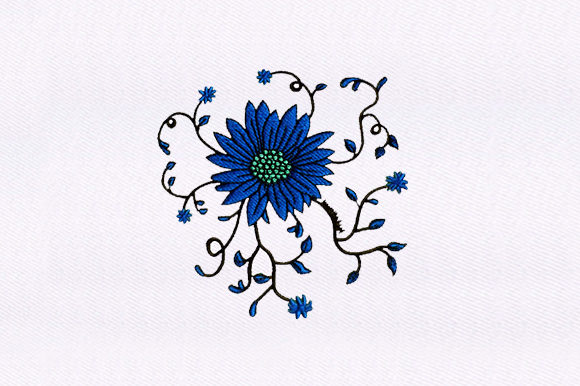
As an experienced embroidery designer constantly scanning for fresh seasonal additions, I felt genuine excitement when the Spring Vines design landed on my digital workbench. This machine embroidery design belongs to the Single Flowers category, but its flowing vine character gives it a versatility that reaches far beyond a simple bloom. In this review, I’ll walk you through how Spring Vines performs when you’re building holiday product lines, planning limited-edition drops, or stocking your Etsy shop for the gift-giving rush. This isn’t just a first look – it’s a practical evaluation from someone who has turned countless embroidery files into sellable finished products.
First Impressions: The Mood and Style of Spring Vines
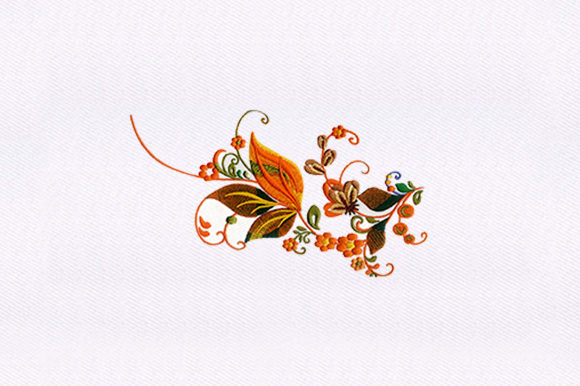
The moment I preview Spring Vines, the mood is unmistakably one of renewal. The design has a romantic yet clean decorative style, with delicate vine curves and gentle leaf placements that feel like a breath of spring air. It’s not rustic or rough; instead, it leans toward an elegant garden aesthetic that can easily be dressed up or down. The emotional tone is uplifting and soft, ideal for springtime celebrations and holidays where warmth and hope are central – Easter, Mother’s Day, bridal showers, even a cheerful seasonal refresh for the home.
What strikes me is the balance between detail and stitch density. The vine element flows without excessive layering, which tells me the digitizer prioritized sew-out quality over sheer complexity. That’s a huge win for production efficiency, especially when you’re stitching dozens of items for a craft fair or an online holiday drop. The Single Flowers classification makes sense; the design feels focused, almost like a botanical study that has been gently expanded into a delicate vine. It’s the sort of motif that looks equally at home on a crisp linen pillow cover or elevating the corner of a kitchen towel embroidery project.
The color palette isn’t fixed in my mind yet; that’s part of the beauty. With Spring Vines, you can easily adapt thread colors to match seasonal themes without losing the design’s identity – soft pastels for Easter, vibrant greens and sunny yellows for a summer vibe, or even muted sage for a modern farmhouse look.
Seasonal Product Potential: Where Spring Vines Shines
When I think about holiday selling, Spring Vines fits squarely into the window that starts around late February and runs through June. For Easter, it can stand alone on a guest towel or frame a festive monogram. For Mother’s Day, imagine it stitched onto a premium tote bag design or a cozy sweatshirt embroidery piece for the mom who loves gardening. It also plays beautifully into wedding season – pair it with a couple’s initials on table linens, ring bearer pillows, or keepsake handkerchiefs. The design’s refined nature makes it a natural for personalized gifts; customers love adding a name or date alongside a delicate motif, and Spring Vines provides that perfect framework.
Beyond traditional holidays, I see strong potential in the “spring refresh” niche. Many small shop owners create seasonal home decor collections, and an embroidered item like a lumbar pillow cover featuring Spring Vines instantly signals the transition from winter to lighter, brighter days. It’s the kind of decorative touch that buyers snap up during early spring craft fairs or as part of a curated Etsy seller bundle.
Don’t overlook baby and family products. A simple onesie with a small Spring Vines accent offers a sweet, giftable item for spring baby showers. The design’s scale can be adjusted (depending on the digital embroidery file’s built-in sizes) to work for such delicate applications, provided you run a careful stitch-out first.
Selling Scenarios: From Etsy Listings to Craft Fair Displays
Let’s get tactical. If you run an online shop, your listing photography and printable mockups will make or break the product appeal. Spring Vines photographs beautifully against light, neutral backdrops – think linen, cotton canvas, or even denim. I recommend creating a series of mockups showing the design on different products: an embroidered patch styled on a jean jacket, a kitchen towel draped over a basket, a pillow cover laid on a sunlit chair. These visuals help customers instantly connect the design with real-life use, boosting buyer emotion and giftability.
At craft fairs, this design can become a conversation piece. Set up a display where a finished towel or sweatshirt is the hero, and let shoppers feel the texture. The stitch density is key here – if it’s too heavy, the fabric stiffens; if too light, the details wisp away. I’ve found that Spring Vines tends to stitch out with a pleasant hand, but always test on your intended fabric texture before committing to production.
For Etsy sellers, consider offering Spring Vines as part of a “Spring Garden” gift bundle: a set of coordinating kitchen towels, a matching embroidered patch on a canvas tote, and maybe a small ornamental pillow. Bundles increase perceived value and average order size. The design’s versatility lets you brand it repeatedly without it feeling repetitive – use it as a subtle corner accent on one item and a bolder centerpiece on another. That visual recognition across your seasonal embroidery line builds a consistent brand identity that customers trust.
Where to Use Spring Vines Carefully
As much as I adore this design, it isn’t a one-size-fits-all solution. Here are the scenarios where you’ll want to exercise caution:
- Small hoop sizes: If you only have a 4x4 inch hoop, verify that the design’s smallest iteration retains the vine’s delicate detail. Tiny loops may close up or lose definition, turning your elegant vine into a fuzzy blob.
- Thick towels: Terry cloth can swallow fine stitch work. Use a water-soluble topper and test your stabilizer setup thoroughly. Spring Vines’ thin stems might disappear into the pile otherwise.
- Dark fabric: The design’s airy feel relies on visible thread. On black or navy fabric, light thread colors may need a darker outline or an underlay adjustment to pop. Always test a thread color swatch on both light and dark backgrounds.
- Metallic thread: Unless the embroidery file specifically lists metallic compatibility, avoid it. The tight curves of a vine can cause shredding and frustration.
- Stretchy garments: Sweatshirt embroidery is fantastic, but use a high-quality cut-away stabilizer to prevent the vine from warping over time. The flowing lines are unforgiving if they distort.
- Curved caps: I advise against using Spring Vines on hat fronts with a strong arc; the design loses its organic flow and may require re-digitizing for that surface.
- Repeated washing: Check the stitch density and make sure the satin edges are secure. A few test washes will reveal if any small elements are prone to fraying.
Practical Designer Notes for a Smooth Production Season
After stitching out Spring Vines multiple times across different base materials, I’ve compiled a checklist that every embroidery professional and small shop product creator should follow before listing it for sale:
- Test thread colors on both light and dark fabric swatches. The same pale green that glows on white linen might vanish on a heather grey sweatshirt. Build a color palette that works universally or customize per listing.
- Check stitch density. Open the embroidery file in your software and look for overly compact areas. Adjusting density in the machine settings is sometimes possible, but if the base digitizing is flawed, you’ll save time by contacting the vendor or choosing a different design.
- Confirm hoop size. Nothing stalls a holiday production run faster than realizing your design doesn’t fit your available hoops. Know the exact dimensions before you purchase.
- Use proper stabilizer. For woven fabrics like cotton or linen, a medium-weight tear-away often works well. For knits, opt for cut-away. For fuzzy towels, don’t skip the topper.
- Create realistic mockups. Invest time in good printable mockup photos. A crisp digital preview triggers that “must have” feeling in browsers, especially during the holiday shopping period when people scroll quickly.
- Review small details after stitching. Look at the finished product under good light. If a leaf tip didn’t tie off cleanly, take note and adjust your machine’s trimming or tension.
- Plan matching color palettes. For a cohesive seasonal lineup, select three to five thread sets that work across all your Spring Vines items. This simplifies production and creates a recognizable signature style.
- Confirm commercial licensing. If you plan to sell finished products, make sure the embroidery file’s license allows commercial use. The description says this is a high-quality machine embroidery design, but check the specific terms before you monetize your seasonal embroidery work.
How Spring Vines Affects Buyer Emotion and Seasonal Engagement
In the world of handmade gift giving, emotion drives the purchase. Spring Vines taps directly into the feelings associated with spring: freshness, growth, and new beginnings. When a customer sees a photograph of a lovingly stitched pillow cover or an embroidered patch with this design, they’re not just evaluating thread and fabric. They’re imagining the smile on Mom’s face when she unwraps that towel, or how charming their guest bathroom will look during Easter brunch. This emotional pull increases the product’s perceived value and makes the price tag secondary to the sentiment.
During holiday shopping periods, that emotional edge is your strongest asset. Buyers are overwhelmed with options, and a clear, heartfelt presentation wins the click. Spring Vines’ soft, organic lines work beautifully in social media previews – they photograph like a dream and look luxurious in close-up reels. As an Etsy seller, I’ve noticed that listings featuring this kind of elegant floral vine get better engagement simply because they stand out from clip-art style designs.
Visual recognition is another underrated factor. By using Spring Vines consistently across your holiday collection, you create a pattern that customers begin to associate with your brand. The next time they see a similar vine, they think of your shop. That’s brand consistency built by one carefully chosen machine embroidery design. And when people trust the look, they trust the quality, which translates into repeat sales.
For personalized gift seekers, adding a name within or beneath the vine can elevate the product from nice to unforgettable. The design’s shape leaves room for customization without crowding, a detail that seasoned apparel decorators will really appreciate. Just be sure to test any added text on a scrap before committing to the real item, and always consider the overall embroidery file’s layout so that the vine and the lettering breathe together.
Final Verdict: A Seasonal Essential for the Right Maker
After putting Spring Vines through the paces from digital screen to finished piece, I can confidently say it deserves a place in your seasonal product toolkit. It won’t work for every item – you’ll need to mind hoop size, fabric texture, and stitch integrity – but for the spring and early summer gift cycle, it’s a charmer. Whether you’re building a Mother’s Day sweatshirt embroidery collection, assembling Easter gift bundles, or launching a fresh home decor line, this machine embroidery design has the decorative grace and emotional resonance to move products.
As a small business owner or dedicated crafter, always test thoroughly and set your own standards for quality. The Spring Vines design promises to refresh any textile it touches, and from my experience, it delivers on that promise when handled with care. Remember to check the embroidery file’s specifications before buying, then go create something that brings a little spring joy to holiday shoppers everywhere.