Dainty Tree Embroidery Design: A Designer’s Review
As someone who tests machine embroidery design files almost daily for a small personalized gift studio, I approach every new motif with a mix of curiosity and caution. The Dainty Tree arrived on my desktop as a clean digital embroidery file from the Single Flowers category, and I immediately began considering it for real customer orders—birth announcements, wedding thank-you gifts, and the kind of impulse-buy craft fair products that need to feel both precious and understated. This is my hands-on planning review, written for embroidery makers, Etsy sellers, and gift shop owners who need to judge a design not just by its stitch preview, but by how it will live on a finished product.
First Impressions of the Dainty Tree
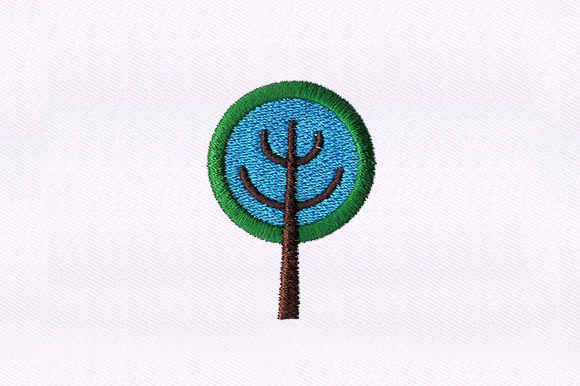
The visual mood of Dainty Tree is softly romantic without tipping into saccharine. It carries a gentle, almost handwritten charm that feels earned rather than forced. The branch structure arcs with a lightness that suggests movement, while tiny leaf clusters and delicate bloom shapes keep the eye traveling. It does not shout for attention, which is precisely why I trust it for personalized gift work—it leaves room for a name, date, or short sentiment without competing.
The Emotional Pull of a Simple Motif
During a product planning session, I laid out several embroidery file options on a mockup blanket layout. The Dainty Tree immediately pulled focus because of its quiet narrative quality. It reads as growth, hope, and tenderness. That emotional resonance matters deeply when you sell handmade products where the buyer is often choosing a token of love—a baby quilt, a wedding pillow cover, or a sympathy keepsake. The design feels timeless rather than trendy, which extends the shelf life of any listing or shop display.
Where Dainty Tree Shines in Personalized Gifts
I mentally cycled through our shop’s top-selling personalized categories and found multiple strong fits. The size—confirmed for a hoop size of 6x6—is practical for a huge range of blank goods without requiring constant rehooping or design splitting. Here is how I’d position it for different customer segments.
Baby Embroidery and Nursery Charm
For baby embroidery, the Dainty Tree offers a welcome alternative to heavy, gender-stereotyped motifs. Paired with a tiny script name on a muslin swaddle, organic cotton onesie, or a plush nursery blanket, it creates a finished product that feels like a modern heirloom. I recommend stitching it in muted sage, soft blush, or warm taupe on light fabric. The open centers of the flowers let the textile texture breathe, which prevents stiffness on delicate baby skin. When building a blanket embroidery project, a centered placement with the tree at heart height creates a balanced composition parents adore.
- Works beautifully on ribbed cotton swaddles if you use a water-soluble topper to prevent stitches from sinking into the fabric texture.
- For stretchy baby clothes, float a fusible mesh stabilizer behind the knit to stabilize the tree’s finer twig details.
Wedding and Romantic Keepsakes
The wedding gift potential here is enormous. Imagine Dainty Tree on a linen pillow cover with the couple’s initials intertwined beneath the lowest branch, or on a ring bearer’s cushion. Its airy silhouette gives a vintage botanical feel that brides often seek for romantic, garden-party aesthetics. I’ve already planned a sample for a set of embroidered napkins where the tree nestles into a corner, leaving room for a monogram. The design’s delicate line work conveys handmade quality without looking labored, which elevates the perceived value of every piece. For tote bags given as bridesmaid gifts, a small Dainty Tree with each attendant’s name under it turns a utility item into a cherished memory.
Home Décor and Everyday Elegance
Kitchen towels, aprons, and simple pillowcases become small luxuries with this design. I tested a layout on a flour-sack towel, allowing the tree to sit off-center near a folded edge. The result was instantly giftable—a hostess present, a housewarming item, or a seasonal décor accent. Because the design is not explicitly holiday-themed, it avoids the December-only trap. An embroidered towel with Dainty Tree in charcoal thread on cream linen looks crisp in a farmhouse kitchen year-round. A matching apron with the tree on the bib pocket adds a thoughtful, cohesive set that small shop owners can bundle for higher order value.
Practical Stitching Notes for Makers
Before you commit this design to a customer order, run a thorough test on scrap fabric matching your final product. My first stitch-out taught me several things that will save you time and materials.
Navigating Fabric and Texture
The fine twigs and small leaf clusters require respect for fabric texture. Highly napped fabrics like thick fleece or looped terry towels can blur the crisp edges. On thick towels, I recommend a medium-weight cutaway stabilizer paired with a light topping film to hold the nap down. After stitching, gently tear away the topping inside the tree’s open loops with tweezers—patience here preserves the dainty character. For dark fabric, thread color contrast becomes critical. A pale tree on charcoal cotton looks stunning, but stitch precision demands a sharp needle and slower machine speed to maintain those slender branch lines. Always run a thread color mockup on your software before hooping dark blanks.
Stabilizer, Thread, and Hooping Essentials
Because the design occupies nearly a 6x6 area, proper hoop size selection is non-negotiable. I used a 6x6 hoop with snug side clamps to avoid any fabric shifting. For crisp edges on cotton or linen, a fusion of tear-away and a light film of temporary adhesive spray kept the base immobile. I tested both 40-weight polyester and rayon threads; both worked, but a matte polyester gave the tree a more organic, hand-stitched look. Check the file’s stitch density before stitching—while the design appears light, small leaf accents can accumulate density that may pucker fine fabrics like voile. A single needle change and a fresh bobbin are small precautions that prevent skipped stitches within the flower centers.
- Press your fabric thoroughly; any wrinkle will distort the tree’s symmetry.
- Pre-wash blank goods to eliminate shrinkage that could misshape the embroidered area after the first wash.
- Hoop using a grid or centering tool—the tree’s vertical flow can exaggerate any tilting.
- Run a test at 600 stitches per minute if your machine allows, then ramp up after confirming registration.
Boosting Perceived Value with Dainty Tree
In a saturated handmade market, the small details define whether a buyer clicks “add to cart” or scrolls past. Dainty Tree provides those details intrinsically. The gently tapered branch ends and scattered blossoms give an impression of artistry that mass-produced appliqués cannot match. When a customer receives an embroidered towel or a nursery pillow cover featuring this design, they sense the maker’s care. That emotional connection directly builds customer trust and repeat business. I plan to use close-up product photography showing the stitch texture against natural linen, because the shadow play under the leaves adds depth that shouts quality. A listing description that mentions “heirloom-inspired tree embroidered just for you” taps into the emotional connection that drives gift purchases.
Furthermore, offering this design as part of a personalized bundle—say, a blanket, bib, and plush toy all bearing the Dainty Tree—raises average order value while giving the buyer a cohesive nursery set. The design’s moderate stitch footprint also means faster production times per piece, which is a real advantage during holiday rush or craft fair restocks.
Planning Your Etsy Listings and Craft Fair Display
For Etsy seller success, titles and tags might read: “Personalized baby blanket with tree embroidery,” “dainty botanical wedding pillow cover,” or “custom linen tote with name and tree.” The word dainty is a keyword asset itself. Within your product photos, show a printable mockup or a real stitched sample on at least three different fabric colors. Buyers need to visualize the design on their chosen item, especially since many have difficulty imagining scale. A crisp 6x6 stitch-out on an 18x18 pillow cover looks entirely different than on a small bib, so include images that show proportion. In your shop’s FAQ section or product description, mention that the custom embroidery is created with a professional digital embroidery file, which tells buyers you invest in quality source materials rather than bitmapped auto-digitizing.
Final Checks Before Selling
Every machine embroidery design intended for resale on finished goods requires a few administrative and quality checks. Do not skip these, as they protect your small business and your reputation.
- Confirm commercial embroidery licensing terms before offering finished items for sale. The SKU E-21676 file details should state whether crafting for profit is allowed, and which physical items are permitted. If unclear, contact the digitizer.
- Verify the hoop size fits your machine’s capabilities; a 6x6 designation usually refers to inches, but always measure your hoop’s actual stitch field.
- Check stitch density and color stops in your embroidery software to plan thread changes accurately—some delicate transitions may need a subtle variegated thread to maintain flow.
- After stitching, inspect small lettering compatibility. If you add a name beneath the tree, position it far enough to avoid crowding the roots, and test on curved surfaces like a tote bag seam.
My studio finished multiple test pieces on lightweight cotton, linen, and a fluffy towel, and each held up beautifully, with the tree retaining its airy silhouette. For frequently washed items like baby bibs or kitchen towels, a heat-sealed backing added durability, and a cold delicate cycle preserved the thread sheen. Ultimately, Dainty Tree exists in that sweet spot between simplicity and meaningful detail. It asks for a careful setup but rewards you with a finished product that feels genuinely handcrafted—the quiet kind of gorgeous that makes someone unwrap a gift and hold it close. That is exactly the reaction you want as a maker, and this embroidery design delivers it.