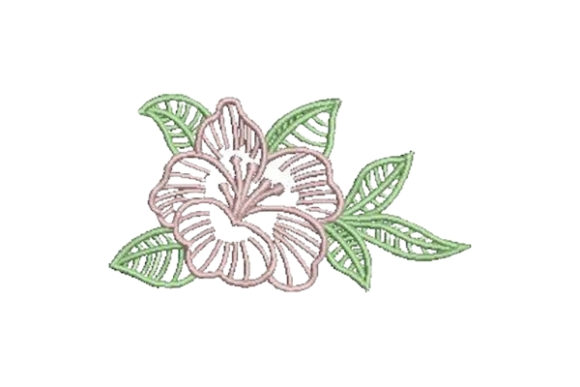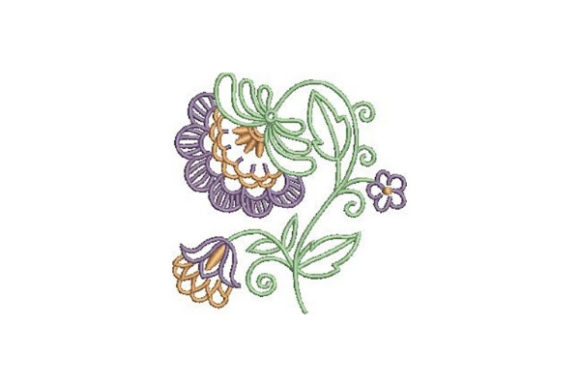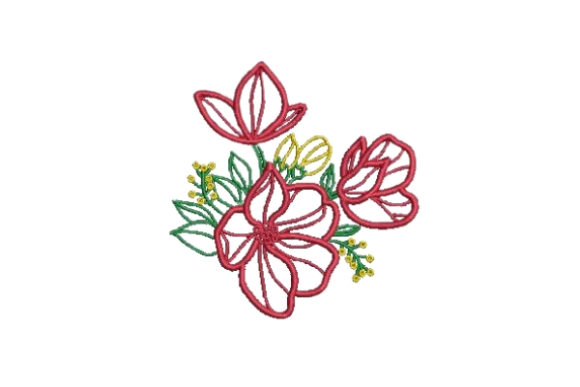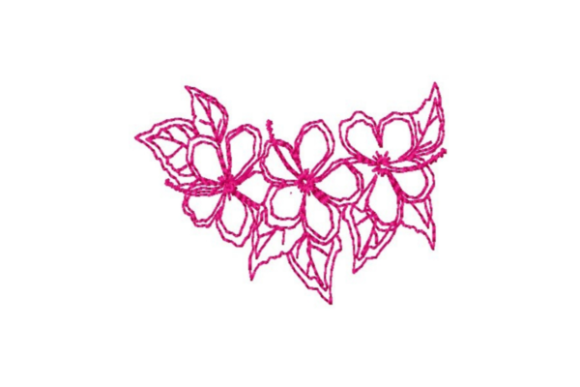
Hibiscus Outline Border
A Smart, Scalable Choice for Small Business Branding
As an embroidery designer who’s developed hundreds of commercial designs for cafés, boutiques, florists, and handmade brands, my first impression of Hibiscus Outline Border is immediate: it’s bold without being loud, tropical without feeling cliché, and clean without sacrificing character. The “outline” treatment signals intentionality—it’s not just decoration; it’s a design built for versatility. Unlike dense floral fills that can blur on small patches or overwhelm lightweight fabrics, this machine embroidery design leans into confident line work, making it ideal for businesses that want warmth and distinction—not just visual noise.
Where Hibiscus Outline Border Shines in Real Merchandise
This outline flower design excels where clarity, consistency, and brand cohesion matter most:
- Embroidered patches: Perfect as a standalone logo badge or border accent on denim jackets, aprons, or tote bags—its open structure holds up beautifully at 2"–3" sizes when digitized with balanced stitch density.
- Staff uniforms & aprons: Works elegantly along the chest pocket edge or as a subtle sleeve band. Its clean lines complement both modern café uniforms and artisanal bakery attire without competing with text or logos.
- Cap embroidery: When placed on the front crown or side panel, the hibiscus outline reads clearly—even on curved surfaces—because it avoids tight interior detail that distorts under tension.
- Tote bag design & product packaging accents: Scales well across cotton canvas, linen blends, and kraft paper tags. As a border element, it frames custom labels or hand-stamped branding without dominating the space.
- Etsy branding & handmade product presentation: Adds quiet sophistication to packaging, hang tags, and display banners—reinforcing a curated, intentional aesthetic that builds buyer trust.
Use With Care: Practical Limits for Professional Results
While Hibiscus Outline Border is highly adaptable, it demands thoughtful application. Avoid pushing it below 1.5" in finished patch size—fine outlines lose definition on tiny hoops, especially with textured fabric or low-density stabilizer. Cap fronts and curved seams require careful placement: test how the outer petals flow across dome-shaped surfaces before finalizing your layout. Dark uniforms (navy, charcoal, black) need high-contrast thread colors—opt for bright white, sunflower yellow, or deep coral to ensure visibility after repeated washing.
Also consider context: if your brand identity relies on ultra-minimalist or monochrome visuals, this tropical motif may feel tonally mismatched unless paired intentionally (e.g., a single hibiscus outline beside a crisp sans-serif wordmark). And while it’s labeled under Outline Flowers, remember it’s still a full embroidery file—so always verify its compatibility with your machine format before sending to production.
How This Design Strengthens Your Brand Identity
For small business owners, every embroidered detail communicates values. Hibiscus Outline Border subtly signals approachability, natural quality, and creative care—ideal for florists, wellness studios, coastal boutiques, or organic food brands. It doesn’t scream “tropical”—it whispers “thoughtful.” That nuance builds recognition over time: customers begin associating the clean, looping silhouette with your shop’s consistent, handmade product experience.
More importantly, it elevates perceived value. A well-executed outline border on a linen apron or reusable tote tells customers you invest in details—and that translates directly to trust. Unlike generic clipart-style motifs, this design feels intentional, scalable, and commercially ready. When used alongside other design assets—like your logo, typography system, or color palette—it reinforces visual consistency across touchpoints, from staff uniforms to printable mockups shared with clients.
Designer Notes You Can’t Skip Before Production
Before stitching Hibiscus Outline Border into your next batch of small business merch, follow these field-tested steps:
- Test in black and white first: Run a monochrome version to assess balance, spacing, and legibility—color can mask weak line weight or uneven curvature.
- Verify small-patch performance: Resize to your smallest intended use (e.g., 1.75" cap patch) and check if petal tips stay sharp and connected.
- Review thread color contrast: Especially on dark or heathered fabrics—avoid mid-tone threads that fade into the background after laundering.
- Inspect spacing between elements: Ensure no sections risk nesting or thread bridging during run-throughs on lightweight materials.
- Confirm hoop size compatibility: Some versions of outline borders stretch wide—match your frame to avoid re-hooping mid-stitch.
- Test on real fabric + stabilizer combo: A cotton-linen blend behaves differently than twill or canvas—always sample before bulk runs.
- Create a client-ready printable mockup: Show how Hibiscus Outline Border integrates with your existing logo or tagline—this prevents costly revisions later.
- Compare beside other design assets: Does it harmonize with your current embroidery file library? Consistency strengthens brand recall.
- Confirm commercial licensing: Since this is a digital embroidery file intended for small business merch and branded patch use, ensure your purchase includes rights for resale, uniform application, and event-based distribution.
Final Thought: More Than a Floral Accent
Hibiscus Outline Border isn’t just another embroidery file—it’s a strategic tool. For apparel decorators, Etsy sellers, and local shops building memorable customer experiences, it bridges aesthetics and function: elegant enough for boutique merchandise, resilient enough for daily-wear uniforms, and distinctive enough to become part of your visual language. Used wisely—with attention to scale, fabric, and brand alignment—it becomes more than decoration. It becomes recognition. It becomes you.