Testing Cherry Plant for Custom Gift Embroidery
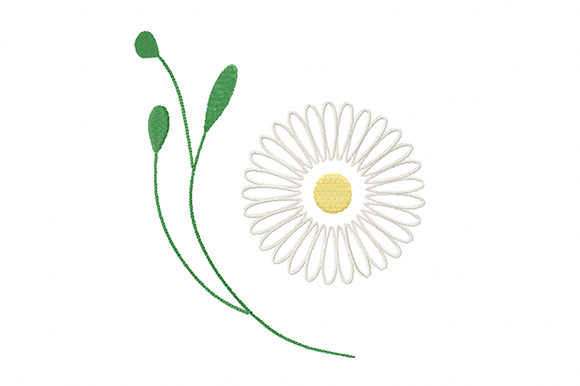
Whenever a new design enters my stitch lab, I don’t just look at the preview on screen—I imagine it already living on a finished gift. What will it look like wrapped in tissue paper? How will a buyer’s face soften when they hold it? The Cherry Plant machine embroidery design arrived on my desk on a Tuesday morning, and immediately I knew this one had a gentle, almost handwritten charm. It isn’t loud or overly intricate; it’s sweet in the way a hand-picked posy is sweet. The tiny petals, the delicate leaf curves, the soft suggestion of movement in the stem—all of it reads like a spring afternoon captured in thread.
What struck me first was how naturally it fits into the personalized gift world. I’ve tested hundreds of designs for my own small shop, and the ones that sell best are the ones that feel like a quiet secret between the giver and the receiver. Cherry Plant has that mood. It’s not trying to be a showpiece; it’s there to let a name, a date, or a single loving word be the hero. As an experienced embroidery designer, I could already see it stitched on a corner of a baby blanket or peeking from the edge of a linen apron, adding just enough detail to make the item feel intentional and treasured.
Before I ever loaded it onto my machine, I sat down with the digital embroidery file and considered all the questions I’d ask as a gift shop owner. This review is the result of that planning session—a practical, honest look at how Cherry Plant behaves across fabrics, products, and customer expectations. I’ll walk you through where it truly shines, where you need to tread lightly, and why it might just become one of your go-to designs for everything from baby embroidery to wedding gift keepsakes.
First Impressions of the Cherry Plant Design
Opening the file felt like turning the page of a botanical sketchbook. The lines are clean but not cold; there’s a soft organic bend to each cherry blossom that makes the design feel hand-guided. In terms of detail level, it sits in that sweet spot between minimalist and illustrative—enough to be recognised immediately as a cherry plant, but not so dense that it overwhelms lightweight fabrics. I’d describe the mood as tender, joyful, and faintly nostalgic. It could lean romantic on a blush-coloured napkin, or playful on a sunny yellow onesie. The emotional appeal is strong: it whispers “I made this for you” without requiring an elaborate composition.
Thinking about colour, I pictured thread palettes ranging from classic soft pinks and sage greens to bolder coral and charcoal for a modern twist. Because this is a Single Flowers category piece, it concentrates its storytelling in a small area, which makes it perfect for targeted custom embroidery placements. The charm is in the restraint—it’s confident enough to stand alone, yet humble enough to pair beautifully with text or a monogram.
Where Cherry Plant Feels Right at Home
Once I started running visual mockups (both mentally and with printable fabric swatches), a list of ideal products immediately formed. Here are the gifts I’d pair with this design without a second thought:
- Baby blankets and nursery décor. Cherry Plant looks adorable on cotton or bamboo blanket corners, soft pillow covers, and wall hoop art. The innocent character of the design makes it a natural fit for baby embroidery, especially when combined with a child’s name and birth date. For Etsy sellers, this combination tends to generate strong emotional engagement in product photography.
- Wedding and bridal keepsakes. I could imagine it embroidered on a ring bearer’s pillow, a handkerchief for the mother of the bride, or the cuff of a getting-ready robe. The cherry blossom symbolises renewal and fleeting beauty, a poetic match for a wedding gift. Add the couple’s initials in a subtle script, and you have a high-perceived-value handmade product that costs pennies in materials but feels irreplaceable.
- Kitchen towels and aprons. A plain linen towel becomes a hostess gift with personality when Cherry Plant dances along the hem. Because the design isn’t massive, you can repeat it in a delicate border or place it off-centre for a modern look. On an apron, it brings that “cottage garden” vibe that sells well at craft fairs and in online curated shops.
- Tote bags and everyday accessories. Stitching this onto a canvas tote instantly turns a utilitarian item into a cheerful personalized gift. I’ve learned that shoppers love seeing embroidery peek from a pocket or wrap around a strap; Cherry Plant’s scale makes these small placements possible without losing detail.
- Memory blankets and family keepsakes. For small business owners who specialise in memorial or legacy items, a design like this can represent a loved one’s garden or favourite flower. It’s subtle enough to integrate into a larger patchwork without competing with other elements.
Products That Demand a Gentler Touch
Of course, no design is universally foolproof. There are a few product types where I’d recommend exercising extra care with Cherry Plant, and it’s my job to be transparent about that. The delicate petal segments and fine connecting lines mean that extremely textured or high-pile fabrics can blur the definition. If you’re planning to stitch on a thick terry towel, test a small sample first; you may need to increase the stabiliser weight or choose a smoother woven base instead. Stretchy baby clothes (like ribbed cotton onesies) absolutely demand a proper cutaway stabiliser and perhaps a basting spray to keep the fabric from shifting and distorting those lovely leaf edges.
When it comes to colour, be mindful of contrast. On a dark fabric, the default pastel threads may recede unless you adjust the colour palette. I always run a thread colour mockup on both light and dark fabric scraps before committing to a customer order. If you plan to add small lettering alongside the design, keep the text simple and not too tightly kerned—Cherry Plant’s charm can get lost if word elements crowd it. For curved surfaces like cap fronts or water bottle sleeves, pay close attention to your hoop size and consider whether the design will arc cleanly or require repositioning. In these cases, a printable mockup taped onto the item can prevent costly mistakes.
How Cherry Plant Elevates Your Giftable Products
The difference between a generic embroidered item and a sellable treasure often comes down to the emotions a design triggers. When a buyer sees Cherry Plant stitched delicately onto a pillow cover or blanket, they aren’t just buying decoration—they’re buying a feeling. It might be the memory of their grandmother’s cherry tree, the excitement of a new baby, or the quiet romance of a wedding morning. This emotional connection directly increases giftability and, by extension, the perceived value of your finished product.
I’ve observed over years of selling that products featuring gentle, nature-inspired machine embroidery design elements earn higher engagement in listing photos. Cherry Plant photographs beautifully because its fine details catch the light in a way that signals quality and handmade product care. Even a simple flat lay on linen can make a customer pause and imagine themselves giving it. That pause is everything. It builds trust. It says, “This wasn’t mass-produced; someone chose this design on purpose.”
For Etsy sellers and small shop owners, incorporating a design like this into your custom embroidery catalogue also gives you a welcome opportunity to offer seasonal collections (cherry blossom season, spring weddings, Mother’s Day) without having to overhaul your entire line. The design works across ages, genders, and styles, broadening your audience. As long as you have decent product photography—perhaps a simple styled shot with a sprig of real cherry blossoms nearby—you’ll likely see higher buyer engagement and repeat customers.
A Designer’s Pre-Stitch Checklist
Before you load Cherry Plant onto your machine for a client order, run through this practical list. It’s the exact process I follow whenever I trial a new embroidery file for my gift shop:
- Test on scrap fabric first. Use a material similar to your final product. Check for thread breaks, tension issues, and how the stitch density interacts with your chosen fabric texture.
- Confirm your hoop size. Even though the exact dimensions aren’t listed here, always verify that the design fits comfortably in your intended hoop. Never assume—measure the file in your software or on your machine screen, leaving at least half an inch clearance for safe stitching.
- Review the stitch density. Open the file in embroidery software and check the density map if available. Fine-leaf sections may densify in small areas; ensure they won’t perforate delicate fabrics like lightweight batiste.
- Choose thread colours that contrast gently. You want the petals to read clearly against the background. For a classic look, soft pinks, creams, and olive greens work beautifully. For a modern twist, try muted terracotta and dusty blue. Always stitch a colour test square.
- Use the right stabiliser. Woven cotton and linen often do well with a medium-weight tear-away stabiliser. Stretchy or unstable fabrics (like baby onesies, knits, or fleece) require a fusible cutaway stabiliser to lock the stitches permanently. A topper can also prevent any plush fabric from swallowing the detail.
- Create light and dark fabric mockups. A printable mockup or a quick digital preview helps you see how the design reads on both white/cream and charcoal/navy grounds. This step alone saves me hours of rework.
- Inspect small details after stitching. Cherry Plant’s delicate stem and petal connections can fray if the needle is dull or the machine isn’t calibrated. After the final stitch, run your finger gently over the design and look for any ruffled edges or loose top threads.
- Check commercial licensing terms. Not all digital embroidery files come with commercial rights. Before you list a finished product on your shop or any marketplace, confirm that the design’s license allows you to sell items featuring the embroidery. This is a critical step for any commercial embroidery use.
Thread Colors, Hoop Size, and Missing Details: What to Verify
Because the product description for Cherry Plant doesn’t provide exact specifications like stitch count, hoop dimensions, or a supplied color chart, I strongly urge every maker to load the file into their embroidery software and gather those numbers before committing. Knowing your thread colors in advance lets you stock up or create custom blends that match your branding. The hoop size will dictate which categories of products you can comfortably offer—a smaller 4×4 hoop opens up baby items and pocket placements, while a larger 5×7 or 6×10 frame might be needed if the design is scaled up. Don’t guess; measure. I also recommend running one test stitch on a piece of firm cotton with the default thread scheme, then photographing it next to a ruler for your catalog. That simple step builds buyer confidence.
Making Cherry Plant Part of Your Signature Look
One of the underrated joys of working as a gift embroidery specialist is finding designs that let your personality shine through while still feeling broadly appealing. Cherry Plant does exactly that. It’s recognisable, yet flexible enough to become part of a signature collection—say, “The Orchard Line,” where you pair it with matching pear or apple blossom designs. I can see it living happily on a set of matching kitchen linens, on a heirloom-style blanket embroidery with a patchwork edge, or as the focal point of a nursery set that includes a name banner and a plushie pocket.
When I think about the kind of customer who will love this design, I picture someone who wants a gift that feels thoughtful without being showy. That might be a new grandmother ordering a personalised towel, a bridesmaid looking for a unique getting-ready robe, or a repeat buyer who knows that the right finished product can bring tears of joy. In all those cases, the stitching needs to be flawless and the design must carry its weight emotionally. Cherry Plant, in my experience, carries it lightly and elegantly. Stitch with care, photograph with warmth, and you’ll have a product that practically writes its own heartfelt card.