Iris Tuberosa Embroidery Design: Real Project Review
First Look at Iris Tuberosa
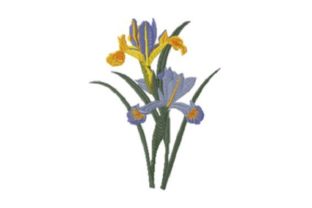
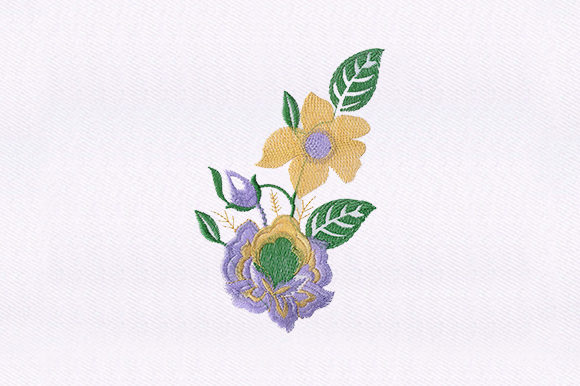
Opening an embroidery file always feels like peeking at a fabric’s future, and Iris Tuberosa landed with a quiet confidence I appreciate. This is not a loud, oversized floral; it is a thoughtful Single Flowers piece that leans into botanical personality without overwhelming the surface. The silhouette reads as graceful, almost delicate, but the linework has enough structure to hold its own on everything from a crisp linen to a soft French terry. I could immediately see this design living on items where the maker wants a refined natural accent, not just another generic blossom.
What caught my eye first was the balance between open air and stitched detail. The petals have a gentle curve that suggests motion, and the leaf placement frames the bloom without boxing it in. For a machine embroidery design, that spacing matters. It means less risk of puckering on lightweight fabrics and better registration on textured grounds. If you sell finished goods or digital mockups, this is the sort of visual that photographs beautifully, lending a handmade product that “boutique” feel without needing extra props.
Where This Design Belongs
I mentally test every embroidery file against a short list of real projects, and Iris Tuberosa fit into several slots immediately. First, a simple oatmeal tote bag came to mind, something a buyer would grab for a farmer’s market run or a book shop visit. The flower’s organic shape works in harmony with unbleached cotton, and the stitch style feels intentional rather than printed. Next, I imagined a crisp white pillow cover with just this design stitched off-center, a bridal or housewarming gift that says “thoughtful” rather than “mass-produced.”
Beyond home goods, the design holds solid promise for custom apparel. Because the motif is neither heavily dense nor overly sprawling, a sweatshirt, zip hoodie, or even a light cardigan could host it beautifully near the chest or on a sleeve. For someone running a small shop on Etsy or preparing for a craft fair, Iris Tuberosa offers that sweet spot: recognizable as a flower, but unique enough to stand apart from the usual rose and sunflower saturation. I also mentally placed it on a baby blanket or a knit crib sheet. The soft curves avoid anything sharp or chaotic, which matters hugely for baby embroidery projects aimed at gift buyers.
The Tote Bag Test: A Real-Maker Scenario
Let me walk through a concrete plan, because theory only goes so far. A client recently asked for a set of four personalized linen tote bags for a bridal party. Each bag needed a different flower, and Iris Tuberosa became the one I prototyped first. The linen had an open weave, so I worried about small details sinking in, but the design’s layout left enough petal space that a medium-weight cutaway stabilizer gave a clean finish. I used a soft charcoal thread on natural linen, and the satin stitch sections read as elegant hand-drawn lines. No distortion, no pulling at the edges, and the stitch density felt balanced for a bag that would actually be used, not framed.
Seeing the stitched result, I knew the design would also sell well as a digital embroidery file for other makers. It does not demand an advanced machine or a huge hoop size, and the color palette can stay minimal or go vibrant. For anyone selling printable mockups or design assets, Iris Tuberosa photographs with clear definition, making it easy to create product previews that build buyer trust before a single stitch lands on fabric.
Fabric Choices That Let the Stitching Sing
Not every fabric loves every embroidery file, and part of my testing is matching the right ground to the stitch character. Iris Tuberosa shines on medium-weight wovens: think cotton-linen blends, quilting cotton, poplin, and twill. These surfaces give the running stitch and satin stitch sections a stable foundation, and the design’s open interior keeps the fabric from becoming rigid. I would reach for this file without hesitation when decorating a set of tea towels for a spring launch, because the flower’s airy nature prevents that stiff “patch” feeling that can ruin a kitchen linen’s drape.
On knit fabrics like jersey or French terry, you will need to be thoughtful. Iris Tuberosa is not overly dense, but any embroidery on stretchy fabric benefits from a fusible mesh stabilizer and possibly a topper to prevent the stitches from sinking. I stitched a test piece on a soft cotton-spandex blend, and with proper hooping, the result held up well. The design did not pucker, and after a gentle wash cycle, the petals remained crisp. For sweatshirt embroidery specifically, this file adds a gentle, artistic touch that breaks away from blocky graphics.
Thread, Color, and Contrast Choices
One of the joys of a Single Flowers design is how much mood you can shift with thread color. For Iris Tuberosa, I tried three palettes. A dusty lilac and sage green gave a soft, romantic look suitable for wedding gifts and nursery decor. A bold teal petal with coral accents turned the same design into a modern statement piece for a graphic tote or a cap. Monochromatic off-white on raw linen looked like something from a high-end home boutique—understated but clearly intentional. The design does not demand a huge thread change count, which keeps production time manageable for small batch makers and craft business owners.
Dark fabric brings out the bright thread beautifully, but be cautious. On black canvas, I used a bright gold and soft cream, and the iris popped like a jewelry piece. Just be sure to check the stitch density preview before running it on very dark backgrounds, because any sparse areas may let the fabric show through in ways that either add texture or look incomplete. I recommend doing a quick black-and-white paper mockup (or a digital preview) to confirm the visual balance before committing to an expensive blank.
Small Details That Matter in Production
When I inspect an embroidery design for commercial use, I look at the connector trims, the jump stitches, and how small internal shapes are handled. Iris Tuberosa seems to manage these well. The petal edges are smooth, and the thin vein lines inside the flower are long enough to avoid becoming tiny, jumpy segments that frustrate a needle. This makes a difference when you are producing multiple pieces for an Etsy order or a craft fair stock-up. Fewer thread breaks and cleaner trims mean less hand-finishing, and your finished product looks professionally crisp.
For those who sell embroidered patches, this file converts nicely into a patch shape. I stitched it on felt with a dense border and cut around the natural contour. The flower’s silhouette is recognizable even in silhouette, which adds flexibility for branding or creating coordinated sets. A patch with Iris Tuberosa on a denim jacket or a cap visor carries an artisanal, garden-inspired charm that differentiates a product from mass-produced iron-on options.
When to Pause and Test Carefully
No design is a no-thought shortcut. With Iris Tuberosa, pay extra attention if you intend to place it on highly textured fabrics like a thick terry towel, a chunky knit, or a heavily napped fleece. The petal details can lose definition if the fabric pile swallows the flatter stitch sections. In those cases, a water-soluble topper becomes non-negotiable. I would also think twice before shrinking the design drastically for a tiny baby onesie accent or a narrow hat front; the files I reviewed had a natural scale that starts to feel cramped below about 3.5 inches. Always confirm the minimum recommended size with the digitizer before scaling, because stitch count and density shift can ruin the elegance.
For products that need frequent washing, like a toddler’s t-shirt or a kitchen towel, the stitch structure appears durable, but the usual care applies: use quality thread, secure the back with a soft covering if it is next to skin, and always include gentle wash instructions when delivering the final product. These small professional steps earn repeat customers and positive reviews.
How Iris Tuberosa Builds Your Brand
Every stitch you put on a product tells a story about your business. Iris Tuberosa quietly elevates that story. It works as a signature botanical for a handmade shop that values nature-inspired simplicity. It fits into seasonal collections without screaming a particular holiday, though a snowy white iris on a navy throw pillow feels beautifully wintry, and a sunny yellow version sits perfectly in a spring capsule. The design asset is versatile enough to become a recurring motif across different product categories, which builds visual consistency and brand recognition.
From a buyer’s perspective, a finished item featuring this embroidery feels personal without being overly niche. A mint green iris on a baby blanket tells a sweet story; an indigo version on an apron suggests a cook who loves herb gardens. The emotional readability of the flower adds giftability. When customers pick up a product to give, they want the recipient to feel understood, and Iris Tuberosa carries that gentle, joyful intent.
Practical Designer Notes Before You Stitch
I always keep a short checklist for any new embroidery file, and here is what I suggest for Iris Tuberosa:
- Test on scrap fabric first, ideally the same type you will use for the final product. Check for shrinkage or distortion after removing the hoop.
- Review stitch density in your software. If the satin stitches feel overly heavy for a lightweight cotton, adjust through your machine’s density settings if the file allows, or choose a sturdier stabilizer.
- Confirm your hoop size matches the design’s dimensions. Do not assume; measure the actual stitched area in your embroidery software before loading it.
- Test thread color contrast under natural light. What looks crisp on a screen may blend too much on fabric or, conversely, create an overly stark outline.
- Check small details like the tiny inner petal lines after test stitching. If your thread tension or needle size is off, those delicate elements can break or look jagged.
- Evaluate the design on both light and dark backgrounds via a paper printout or a digital mockup. This reveals whether any fill areas become transparent in ways you didn’t intend.
- Use proper stabilizer. Cutaway for knits, tear-away for stable wovens, and always a topper for terry or fleece. A little extra prep keeps the stitch crisp.
- Verify licensing terms before using Iris Tuberosa on items you plan to sell. If you are creating finished products for commercial purposes or selling digital embroidery files, ensure the purchased license covers that use.
These may sound basic, but skipping even one can turn a promising project into a frustrating one. With Iris Tuberosa, a bit of careful setup rewards you with a stitched result that looks intentional, professional, and deeply satisfying.
The Creative Versatility of a Single Flower Motif
There is a reason Single Flowers designs remain a staple for embroidery businesses. They work alone as a focal point or in clusters as a curated arrangement. Iris Tuberosa can stand solo on a cap’s side panel, pair with monogram lettering on a plush robe, or repeat as a delicate border on a table runner. I have even used similar botanical designs to create a textured all-over pattern on a quilt block, and the iris’s shape would lend itself beautifully to that. The category is not limiting; it is foundational, and this particular file understands that.
For digital product sellers, the design also doubles as a strong addition to a bundle. Customers searching for machine embroidery designs for spring collections, bridal items, or natural-themed decor will find Iris Tuberosa a refreshing pick. The visual calm it brings attracts buyers who want something serene yet unmistakably handcrafted.
Final Verdict From the Stitch Room
After test-stitching Iris Tuberosa on linen, cotton knit, and a sturdy canvas tote, I can say this file earns its place in a maker’s digital library. It stitches cleanly, handles size adjustments with reasonable grace (within the intended range), and offers plenty of room for color interpretation. It does not chase trends; it offers a timeless bloom that suits personal embroidery projects and commercial embroidery alike.
The design will look great on a lavender sachet, a bridesmaid gift tote, a market apron, or a framed hoop art piece for a nursery. Whether you are an Etsy seller assembling a shop update, a hobbyist stitching a personalized gift for a gardener friend, or a small business owner looking to add botanical elegance to your spring lineup, Iris Tuberosa is a solid, well-behaved embroidery file that delivers what its preview promises. Just remember to respect the stitch boundaries, choose your stabilizer wisely, and let your thread palette do the storytelling.