Fancy Flower: A Small Business Embroidery Review
First Impression: Friendly, Fresh, and Professionally Handmade
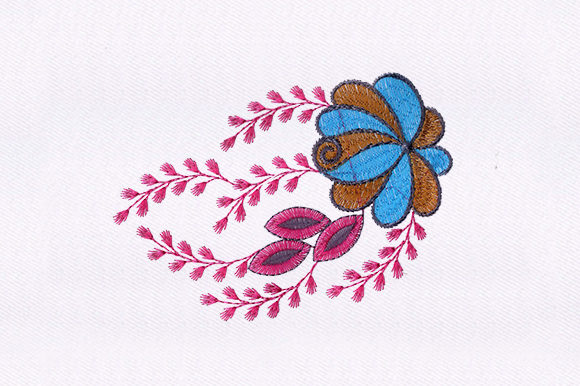
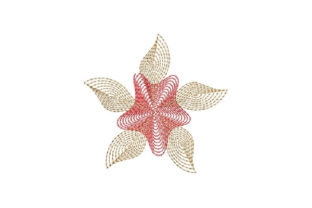
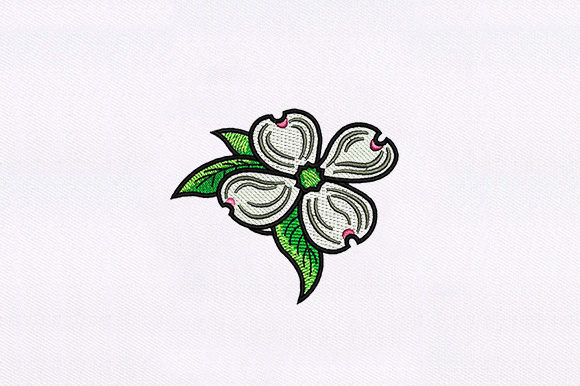
Right off the bat, Fancy Flower delivers exactly what its name promises — a charming, spring-inspired bloom that feels both intentional and approachable. As an embroidery designer who’s reviewed hundreds of digital embroidery files for small business merch, I appreciate how this design avoids overcomplication while still carrying visual weight. It reads as friendly but not childish, elegant but not stiff, handmade but not amateurish. That balance is rare — and critical — when your embroidered patch or apron embroidery must represent your brand at a farmers’ market, café counter, or boutique shelf.
Real-World Performance Across Business Applications
Fancy Flower shines where many single-flower designs falter: versatility without visual dilution. On staff aprons for a local florist or bakery, it lands as a subtle signature — not a distraction. Stitched onto the chest of a linen work shirt for a creative studio, it adds warmth without compromising polish. As a cap embroidery accent, it holds up beautifully on curved fronts when sized appropriately (more on sizing below). For tote bag design, it scales cleanly to 3–4 inches wide — large enough to read from across a sidewalk, small enough to avoid overwhelming canvas texture.
As an embroidered patch, Fancy Flower works especially well for sew-on branding on denim jackets, canvas bags, or even reusable produce sacks sold by eco-conscious small businesses. Its clean petal structure translates reliably into stitch density that’s dense enough for definition but light enough to drape naturally on soft fabrics like cotton twill or lightweight linen. That makes it ideal for custom apparel meant for daily wear — think café staff uniforms or pop-up event merch that needs to survive repeated washing and handling.
Where to Use Fancy Flower Thoughtfully
While Fancy Flower is adaptable, it’s not universally scalable. At under 1.5 inches tall, fine petal outlines may blur or fill in unpredictably — especially on textured fabric or with low-contrast thread colors. Avoid placing it on highly curved surfaces like baseball cap crowns unless you’ve tested it first; distortion can flatten dimensionality. On dark uniforms, verify thread color contrast early — pastel greens or pale pinks may recede instead of pop.
Also consider stitch density in context: if your small business merch includes items like hand-stitched product packaging accents or delicate silk labels, confirm whether Fancy Flower includes optional low-density versions. Some machine embroidery designs offer simplified variants for finer materials — always check your embroidery file package before committing to production runs.
Brand Identity Impact: More Than Just Decoration
For small businesses building recognition through tactile consistency, Fancy Flower functions as quiet brand reinforcement. Unlike bold logotypes, it doesn’t shout — but it lingers. Customers remember the soft floral detail on a barista’s apron or the thoughtful touch on a handmade soap wrap. That builds trust: it signals care, intention, and attention to craft. When used consistently across apron embroidery, tote bag design, and cap embroidery, Fancy Flower becomes part of your visual rhythm — reinforcing professionalism without sacrificing warmth.
On Etsy or handmade marketplaces, this kind of cohesive, elevated detail lifts perceived product value. Buyers scrolling through dozens of similar items pause for the one with considered embroidery — especially when it complements rather than competes with the product itself. That’s the power of a strong single-flower design done right.
Practical Designer Notes for Commercial Embroidery
Before sending Fancy Flower to production, here’s what I always do:
- Test in black and white first — confirms clarity of shape and spacing without color distraction.
- Check minimum viable size — run a 1.75" version on scrap fabric matching your final garment (e.g., duck canvas for tote bags, twill for caps).
- Review thread color contrast — especially against common uniform fabrics like navy, charcoal, or oatmeal.
- Inspect spacing between elements — tight petal gaps can trap lint or distort on stretchy knits.
- Confirm hoop size compatibility — ensure your commercial embroidery machine can accommodate the design without re-hooping mid-stitch.
- Use appropriate stabilizer — lightweight cutaway for stable wovens; tear-away for towels or home decor items.
- Create a printable mockup — show clients exactly how Fancy Flower will sit on their apron or tote bag before stitching begins.
- Compare beside existing design assets — does it harmonize with your logo, typography, or other embroidered elements?
- Verify commercial licensing — since this is a digital embroidery file intended for small business merch, always confirm usage rights cover resale, client projects, and branded patches.
Final Thoughts for Small Business Owners & Embroidery Shops
Fancy Flower isn’t just another machine embroidery design — it’s a flexible, brand-forward tool for telling your story through texture and detail. Whether you’re a solo craftsperson building an Etsy shop, a local bakery launching branded staff gear, or an embroidery shop sourcing reliable design assets for clients, this single-flower embroidery delivers professional polish with genuine charm. It fits seamlessly into the Single Flowers category while standing out for its balanced execution — no excessive fills, no fragile details, no visual noise.
Used intentionally, Fancy Flower elevates more than fabric — it elevates perception. And in today’s crowded marketplace, that quiet distinction is exactly what helps small businesses stand out, connect, and grow.